Is IPTV legal in the US? Yes. IPTV is only a delivery technology, and it is fully legal when the provider holds the rights to the channels and content it streams. What is illegal is streaming copyrighted content without a license, and that is where most cheap “unlimited channels” offers get into trouble.
Search results for “is IPTV legal in US” are full of vague answers, so this guide keeps it practical. You will learn what IPTV really is, where the legal line sits under US copyright law, how enforcement works, and how to check a service before you pay. If you want the short version first, our guide to legal IPTV streaming in the United States covers the basics.
This article is general information, not legal advice. If you need advice on a specific situation, speak to a qualified attorney.
What Is IPTV and How Does It Work?
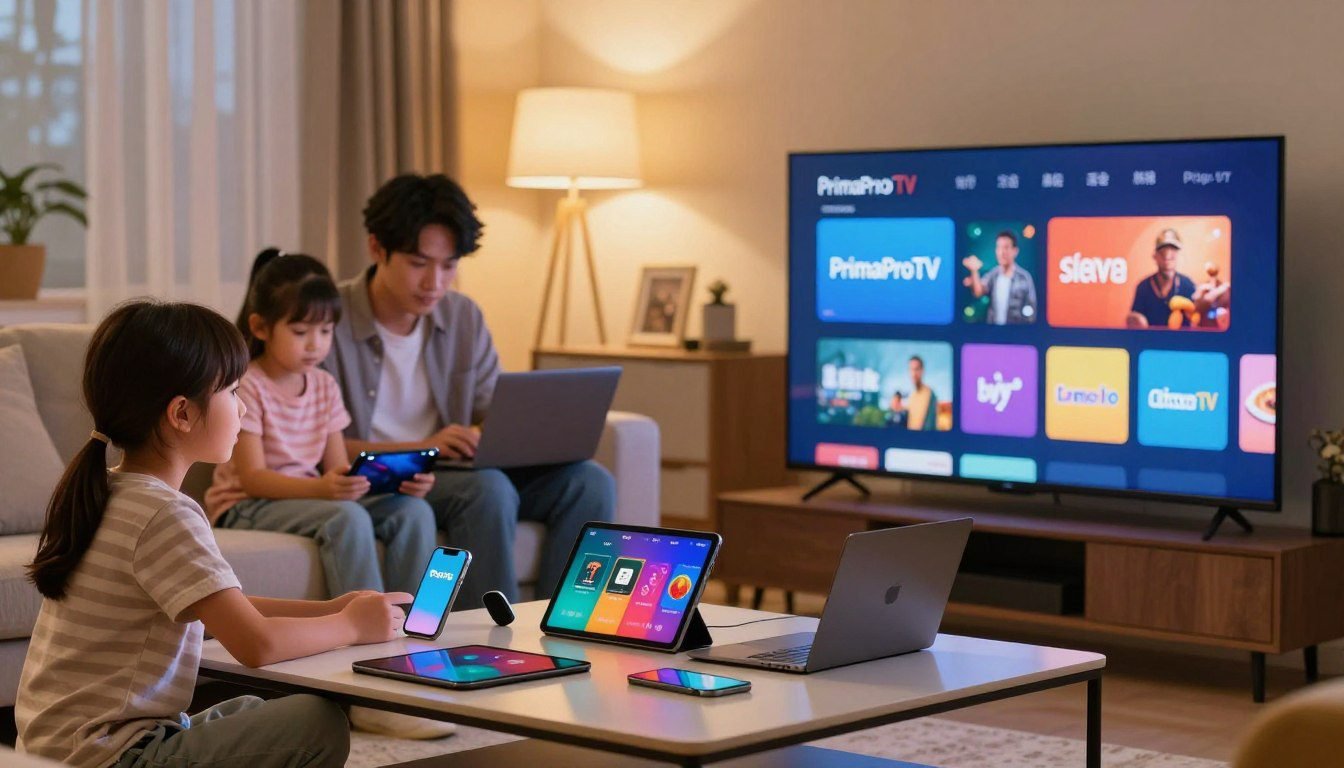
IPTV stands for Internet Protocol Television (see the Wikipedia entry on IPTV). Instead of sending channels through a satellite dish or a coaxial cable, an IPTV provider delivers video over your internet connection, the same way Netflix or YouTube reach your screen.
You probably use IPTV already. YouTube TV, Hulu + Live TV, Sling TV, Fubo, and DirecTV Stream are all IPTV services, and so are the free ad-supported channels on Pluto TV and Tubi. They are legal because they pay for broadcast and streaming rights.
The technology is neutral. A legal IPTV service and an illegal one can look almost identical on your TV. The difference is entirely in the licensing behind the streams.
Is IPTV Legal in the US? Where the Law Draws the Line
US law does not regulate IPTV as a technology. It regulates copyright. Under the Copyright Act, only the owner of a work, or someone the owner licenses, may publicly perform or distribute it. Live sports, cable channels, and pay-per-view events all fall under that rule.
IPTV is generally legal when:
- The provider has licensing agreements with the networks or content owners.
- The service is an official streaming app or a licensed distributor.
- It streams public-domain, open-license, or free ad-supported content.
- You use it to watch content you already have the right to access.
IPTV is illegal when:
- A provider resells thousands of premium channels, sports, and pay-per-view events at a fraction of the normal price without licenses.
- Streams are captured from legitimate services and rebroadcast without permission.
- The service sells access to content that is normally paywalled, such as a full cable lineup plus on-demand movies for a few dollars a month.
The Protecting Lawful Streaming Act of 2020, part of Public Law 116-260, turned unlicensed commercial streaming into a felony for those who operate services “willfully and for commercial advantage or private financial gain.” According to the USPTO, the law focuses on providers, not on individual viewers. Related rules, such as takedown procedures and anti-circumvention provisions, come from the Digital Millennium Copyright Act.
The Real Risks of Illegal IPTV
Even when viewers are not the main target of prosecutors, unlicensed services carry real risks for the people who pay for them.
- Sudden shutdowns. Illegal services disappear overnight when servers are seized, and your prepaid subscription goes with them.
- Payment and data exposure. Unlicensed sellers often collect card details, emails, and passwords with no accountability if something is leaked.
- Malware. Fake apps and modified players can carry adware or worse.
- Poor quality. Freezing, buffering, and missing channels are common because the streams are being re-captured from other sources.
- Civil claims. Rights holders can pursue copyright claims, and ISPs may send warnings or throttle repeat offenders.
Enforcement Is Tightening
Enforcement is global and getting more coordinated. In January 2026, Europol, Eurojust, and Interpol supported Operation Switch Off, which dismantled three large illegal IPTV services and affected at least 250 resellers and 100,000 subscribers in Italy alone. Investigators identified 31 suspects across several countries.
In the US, the Alliance for Creativity and Entertainment has filed copyright lawsuits against operators of illegal IPTV services. The pattern is consistent: sellers, resellers, and infrastructure are the primary targets, but every takedown leaves paying customers with a dead service.
How to Tell if an IPTV Service Is Legal
Run any provider through this checklist before you pay:
- Price reality check. If a plan gives you every premium channel, sports package, and pay-per-view event for a few dollars a month, the rights cannot be paid for. Compare it with realistic figures in our IPTV subscription cost breakdown.
- Named licensing. A legitimate provider can tell you which networks or distributors it licenses content from.
- Official apps and stores. Legal services are available through the Google Play Store, Apple App Store, or Amazon Appstore under a real company name.
- Clear company details. Look for a registered business name, a physical or legal address, terms of service, and a privacy policy.
- Standard payment options. Be cautious of providers that accept only crypto, gift cards, or friends-and-family transfers.
- Support that exists. Real providers have working support, refund terms, and a track record you can verify from independent reviews. A free IPTV trial is a good way to test quality and support before committing.
- Ask directly. Email support and ask how content is licensed. A vague or evasive answer is an answer.

Legal IPTV Options in the US
If you want live TV over the internet with no legal gray area, these categories are the safe starting point:
| Type | Examples | Best for |
|---|---|---|
| Live TV streaming bundles | YouTube TV, Hulu + Live TV, Sling TV, Fubo, DirecTV Stream, Philo | Replacing cable with local and cable channels |
| Free ad-supported (FAST) | Pluto TV, Tubi, Samsung TV Plus, Roku Channel | Zero-cost viewing with ads |
| Network and sports apps | Peacock, Paramount+, ESPN, NFL apps | Specific leagues and shows |
| Licensed IPTV providers | Providers that document their content licenses | Larger lineups, international channels |
Prices and channel lineups change often, so check each provider’s site for current details before subscribing. For more comparisons, see our best streaming services in the US roundup and our best IPTV service in the USA guide. Whatever you choose, apply the checklist above.
IPTV Apps and Device Compatibility
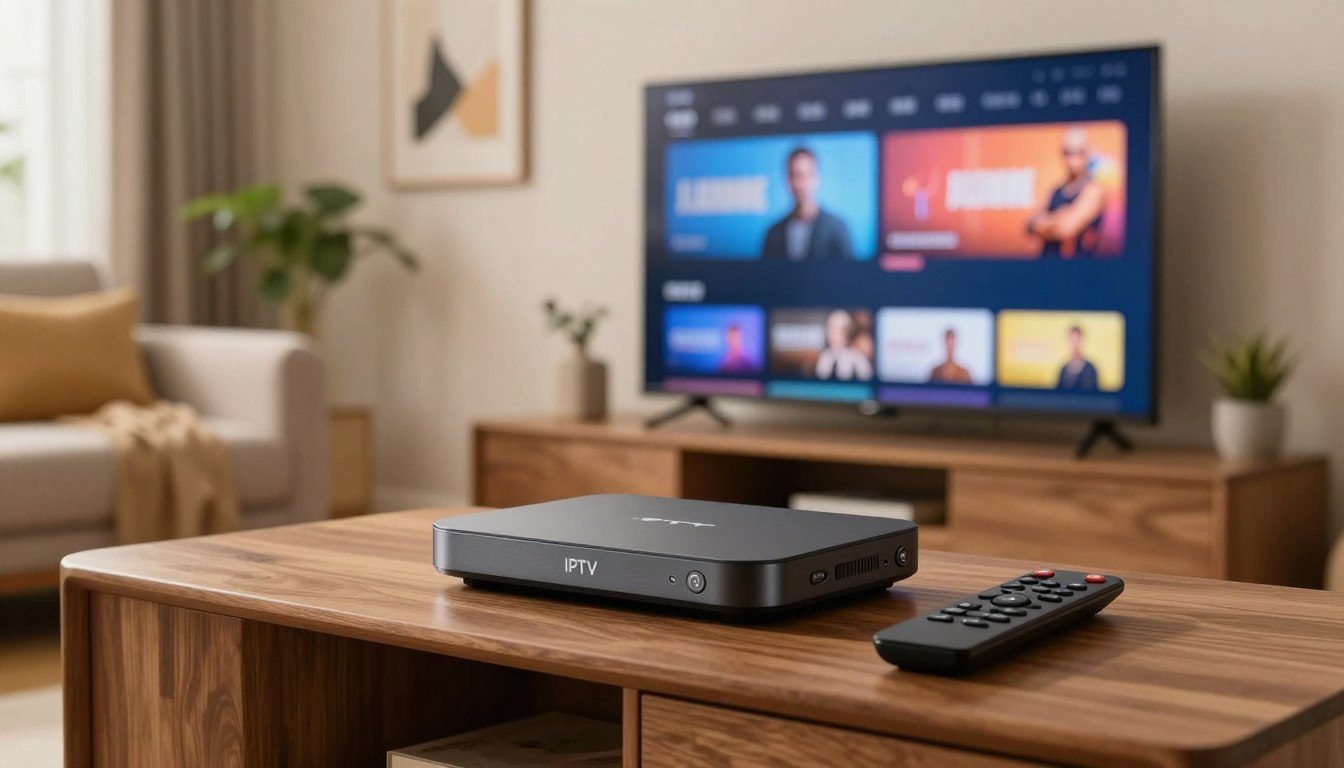
Compatibility depends on your exact device model, operating system, and the player app available for it. Check before you subscribe.
| Device | What to check |
|---|---|
| Fire TV | Model and Fire OS version |
| Android TV | Player availability for your Android version |
| Apple TV | tvOS version and player compatibility |
| Samsung Smart TV | Model year and regional app availability |
| LG Smart TV | webOS version and available player |
| Roku | Ask support to confirm your exact device before paying |
| Chromecast | Ask support to confirm your exact device before paying |
| Nvidia Shield | Player availability for your Android version |
| Windows | Choose a compatible desktop player |
| MAG Box | Ask support to confirm your exact device before paying |
| iPhone and iPad | iOS version and app requirements |
| Mac | macOS version and player |
For Roku or casting-only devices, ask support to confirm a working method before payment. Need help choosing? Read our guides to the best IPTV player in 2026, Smart IPTV, and the best streaming device.
Does a VPN Make IPTV Legal?
No. A VPN encrypts your traffic and hides your IP address from your ISP, which is a legitimate privacy tool. It does not change the licensing status of what you stream. Content that is unlicensed stays unlicensed with or without a VPN, and a service that is licensed does not need one to be legal.
A VPN can still help on public Wi-Fi or when you travel. Just be aware that some licensed services restrict access by region, and using a VPN to bypass those limits may violate their terms of service.
Final Thoughts
IPTV is legal in the US when it is licensed, and illegal when it distributes copyrighted content without permission. Price, transparency, and official distribution are the three fastest signals. When in doubt, ask for licensing details in writing before you pay.
FAQs
Is IPTV legal in the US?
Yes. IPTV is a legal technology, and licensed services such as YouTube TV, Sling TV, and Pluto TV operate legally. Services that stream copyrighted content without a license are not.
Is it illegal to watch IPTV in the US?
Watching a licensed service is legal. Federal criminal penalties under the Protecting Lawful Streaming Act target operators, but unlicensed services can shut down without notice and expose your payment and personal data.
Is streaming IPTV illegal?
Streaming is not illegal by itself. Legality depends on whether the content is licensed for distribution.
Can I get in trouble for using an IPTV subscription?
Enforcement focuses on sellers and operators, though rights holders can pursue civil claims and ISPs may send warnings. For legal advice on your situation, consult an attorney.
How can I tell if an IPTV provider is legitimate?
Check for realistic pricing, named content licenses, a registered company, official app-store distribution, standard payment methods, and real support.
Does a VPN make IPTV legal?
No. A VPN protects privacy but does not change whether content is licensed.
Can I watch IPTV for free legally?
Yes, through free ad-supported services such as Pluto TV, Tubi, and Samsung TV Plus.